
As a family, we’ve made a habit of choosing experiences over routine when we decide to leave the country. For us, travel isn’t run of the mill, it’s a lifestyle. And now that our children are adults, we approach it with a different lens. We seek destinations rich in culture and history, with exceptional food, so that every moment feels one of a kind.
This year, Dakar struck all the chords.
I’ve been wanting to explore more of Africa, and Dakar, Senegal checked every box: only a 7.5-hour flight from New York City, the right season for West African sun, and a city vibrating with culture, design, history, and pride.
What we found went way beyond my expectations.
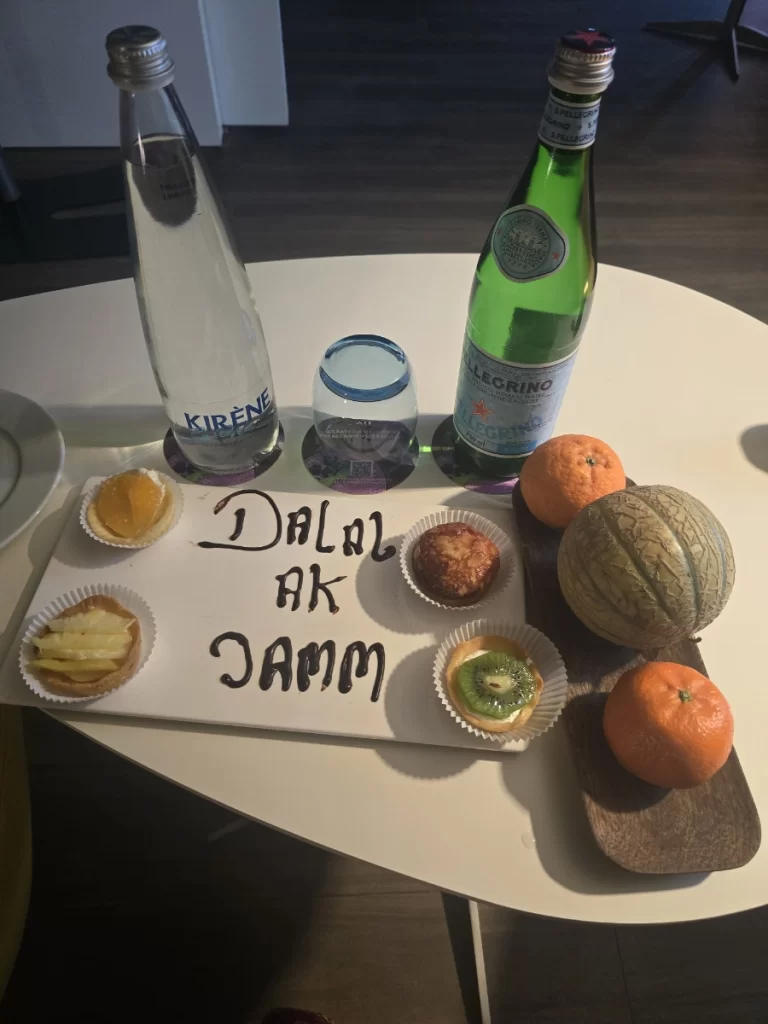
From the moment we landed, we were greeted with a phrase that felt deeply personal: “Welcome Home.” We heard it at the airport, in restaurants, markets, and boutiques. It wasn’t performative hospitality. It was genuine – an invitation, more than a greeting. And a reminder that Dakar has a way of making visitors feel instantly connected.
Our Stay
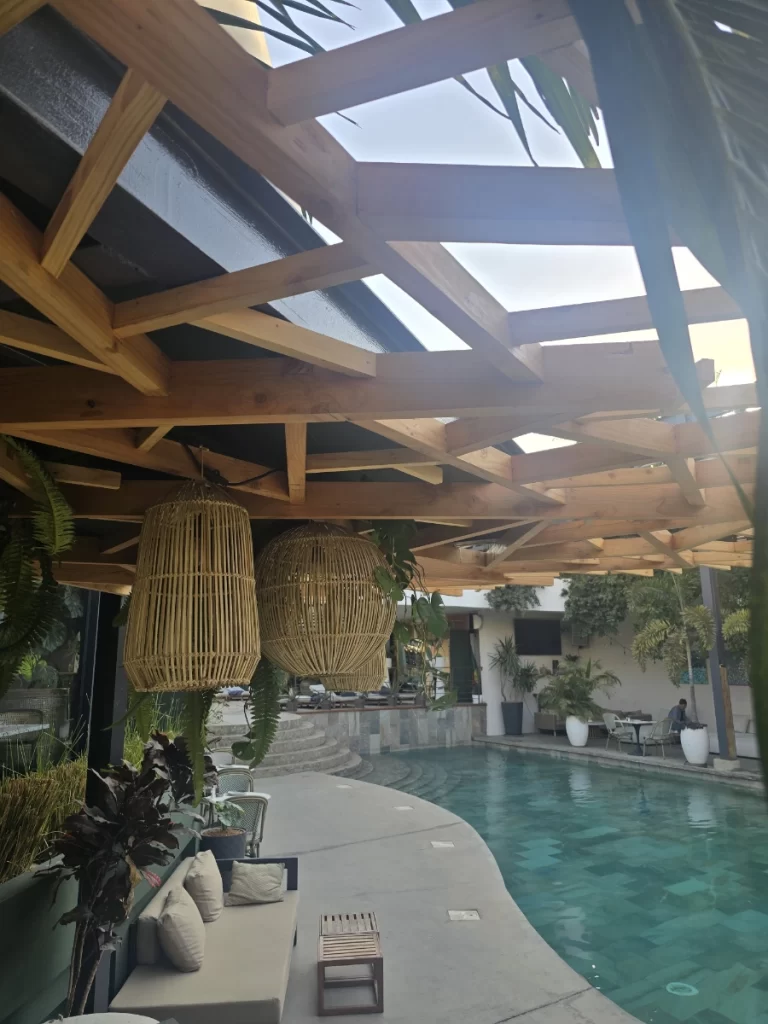
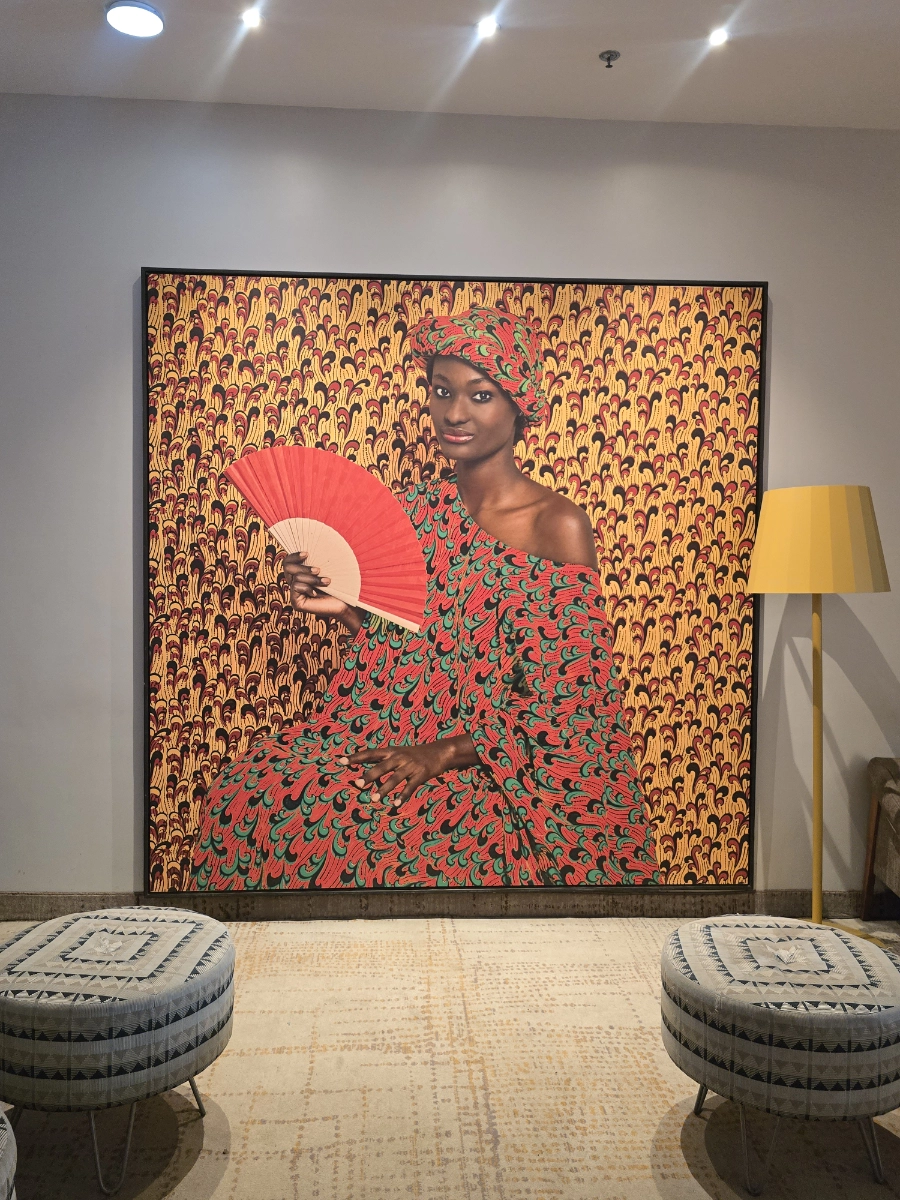
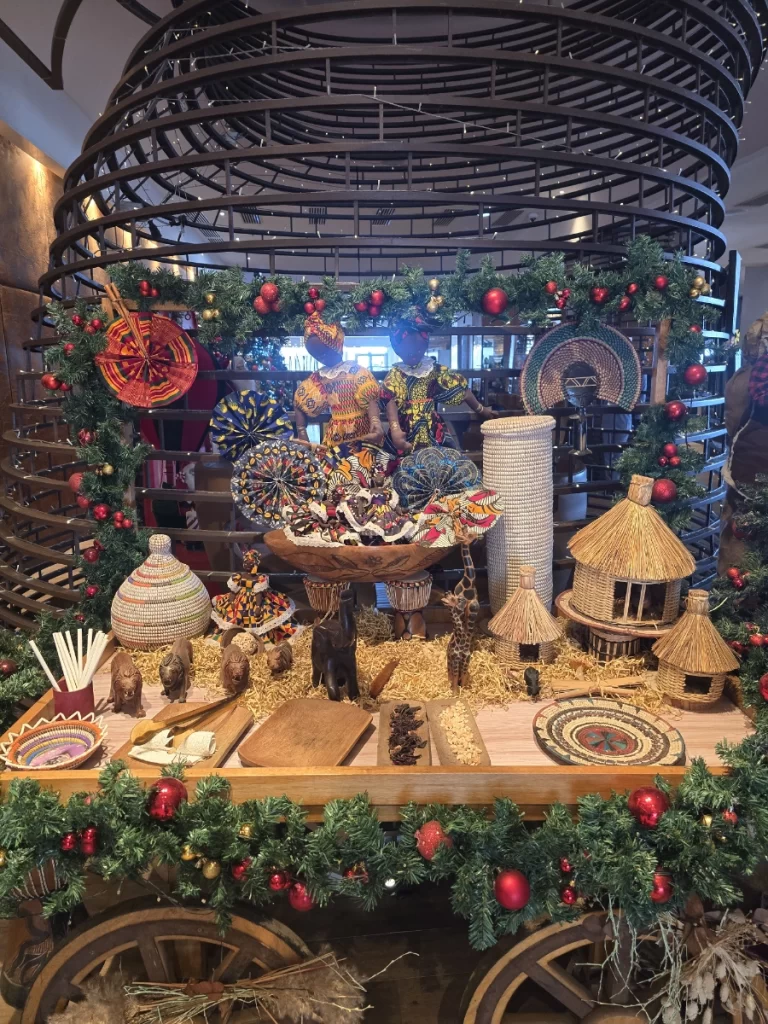
We booked the Pullman Dakar Teranga, one of three consistently recommended hotels and for good reason. Set in the heart of the city, it offers a good breakfast, a clean, understated private beach, and a beautiful lobby filled with art. The on-site boutiques showcase some of Dakar’s most exciting designers, with hand crafted gifts and garments.
What to See
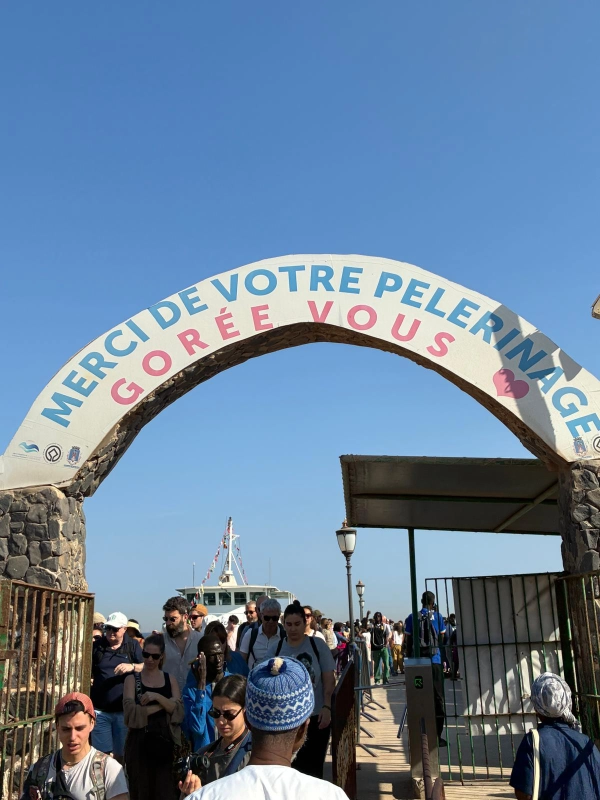
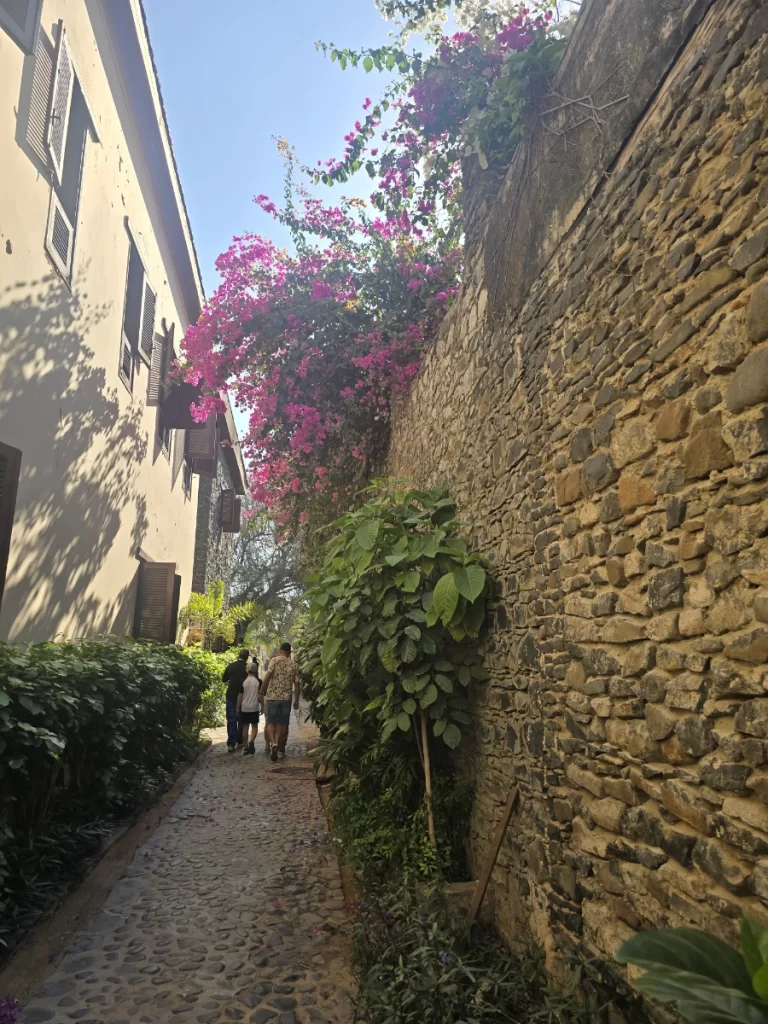
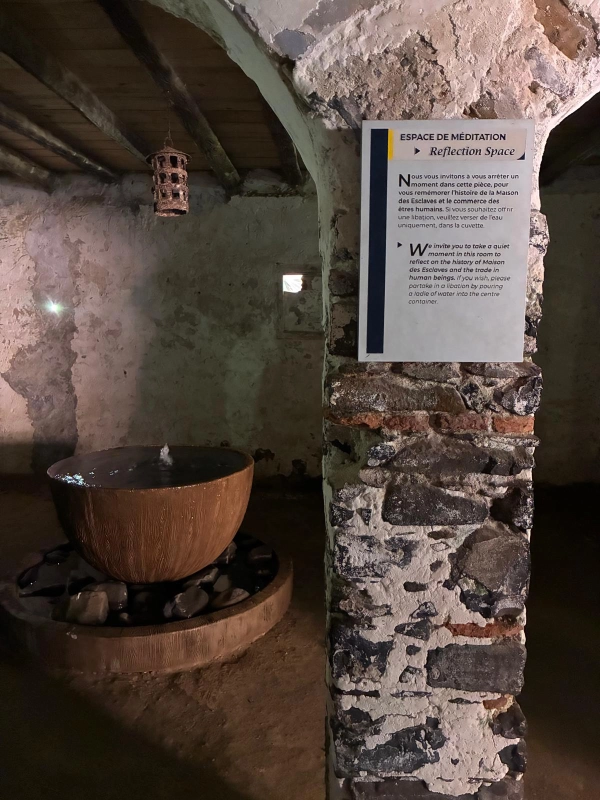
Dakar is a city where history and modern life exist side by side. A short ferry ride brought us to Gorée Island, a must for any visitor. Standing inside the House of Slaves and looking out through the “Door of No Return” is an experience that stops you in your tracks; no book or documentary quite prepares you for it. And yet, just beyond those walls, Gorée is vibrant and alive, filled with color, art, and music that reflect its present as much as its past.
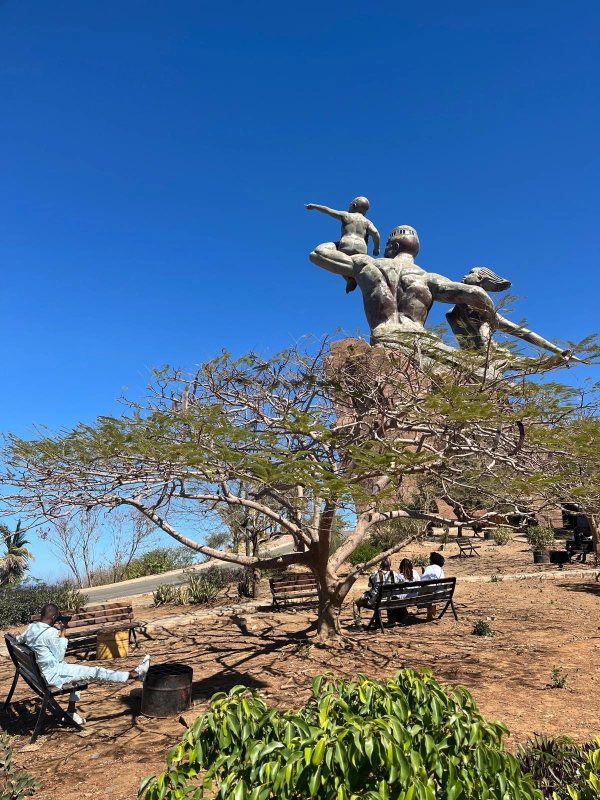
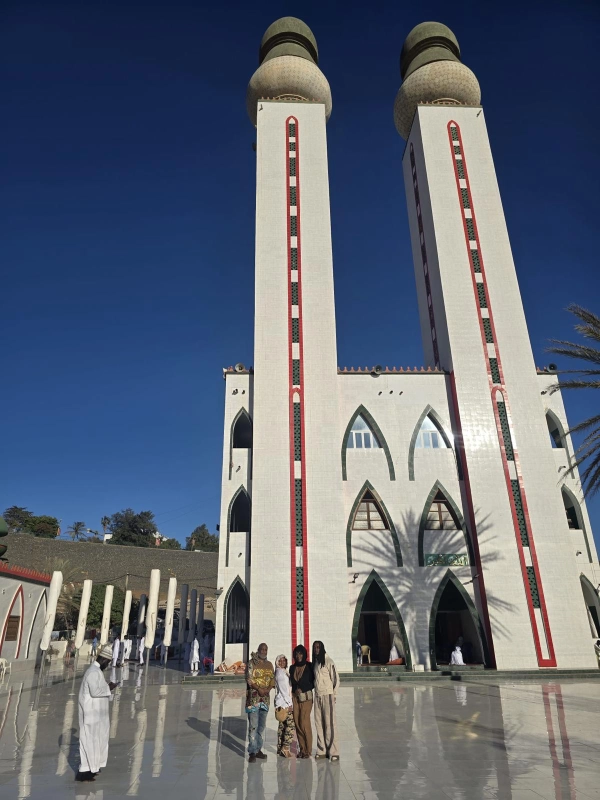
Back on the mainland, we visited the Mosque of Divinity overlooking the Atlantic Ocean and a small fishing village as well as the African Renaissance Monument, a towering and dramatic masterpiece. Designed by architect Pierre Goudiaby Atepa the bronze statue commemorates Senegal’s independence from France and stands taller than the Statue of Liberty.
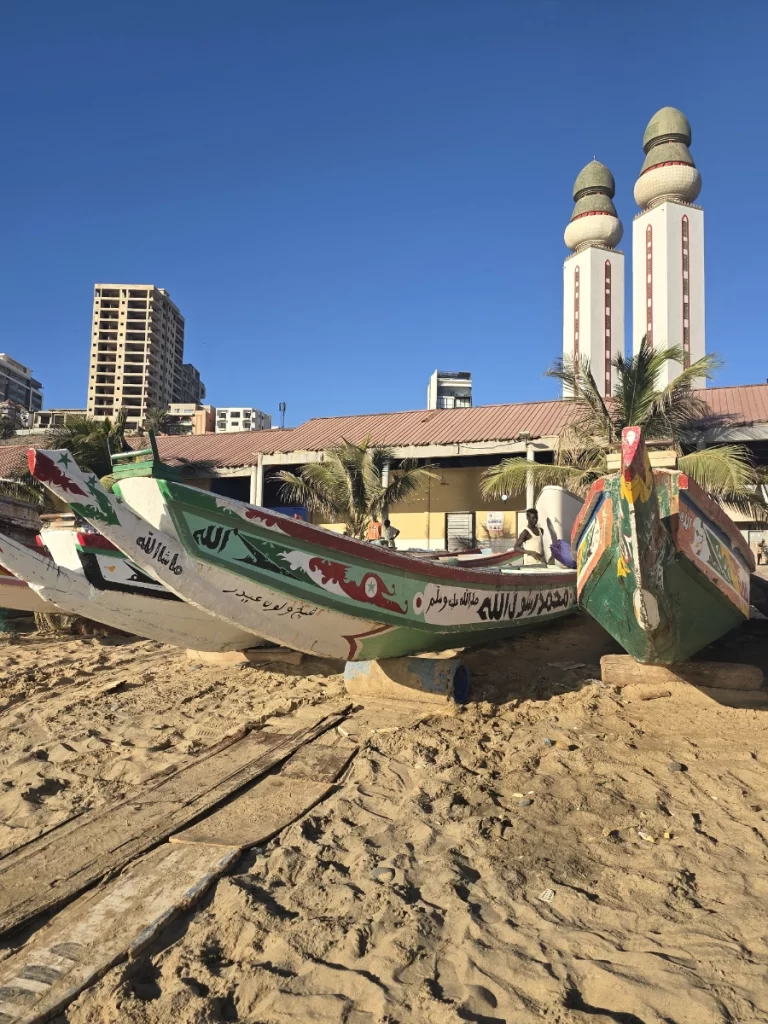
We spent time wandering through Soumbédioune Market, where haggling is less a transaction and more a full-contact sport. I hated it and oddly loved it at the same time! We left with uniquely crafted fabrics destined to become tablecloths at home, and a deep respect for the market men and women, who could probably broker international peace deals if given the chance.
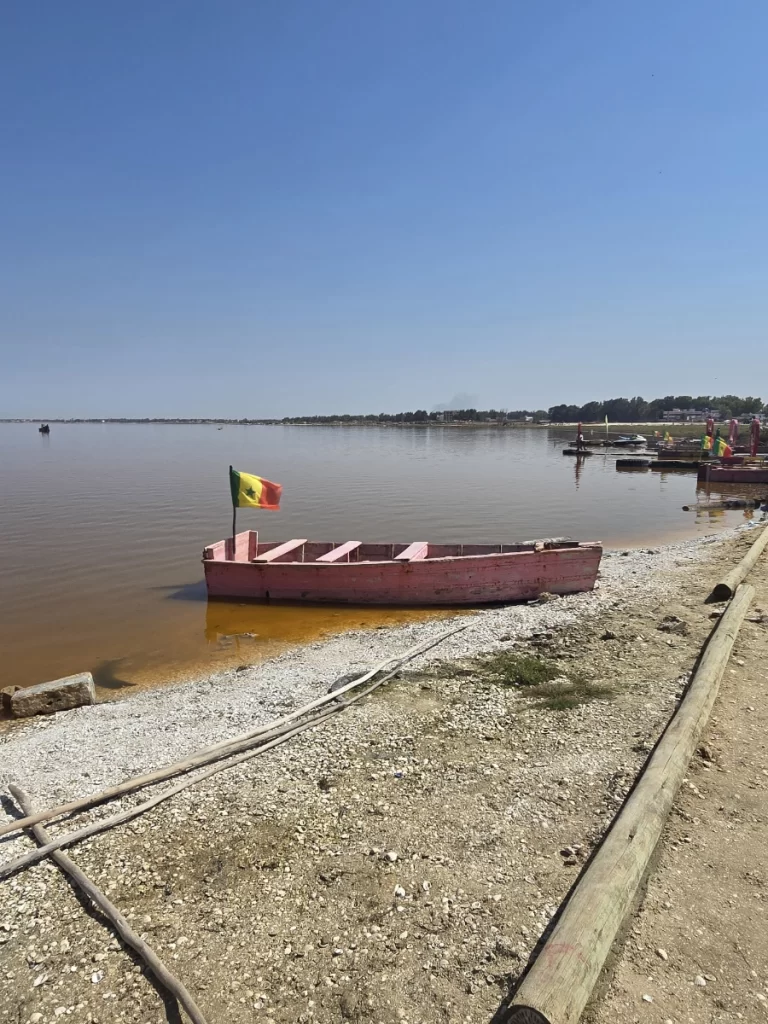
One of the most memorable moments was our visit to Lac Rose, or the Pink Lake, about an hour and a half outside Dakar. Known for its pink hue and salt-rich waters, the area feels worlds away from the city and deeply connected to the land. The surrounding villages offer a glimpse of a more traditional life, where you may find a horse-drawn carriage and time seems to slow down.
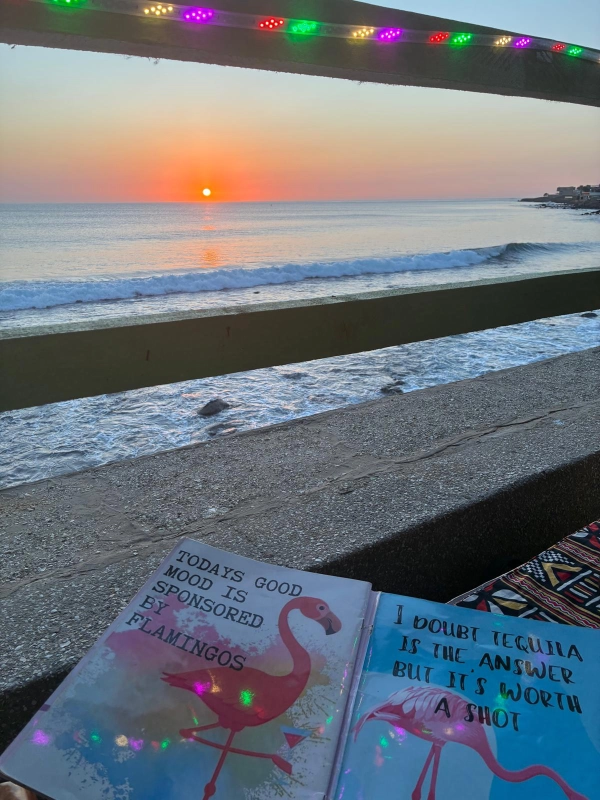
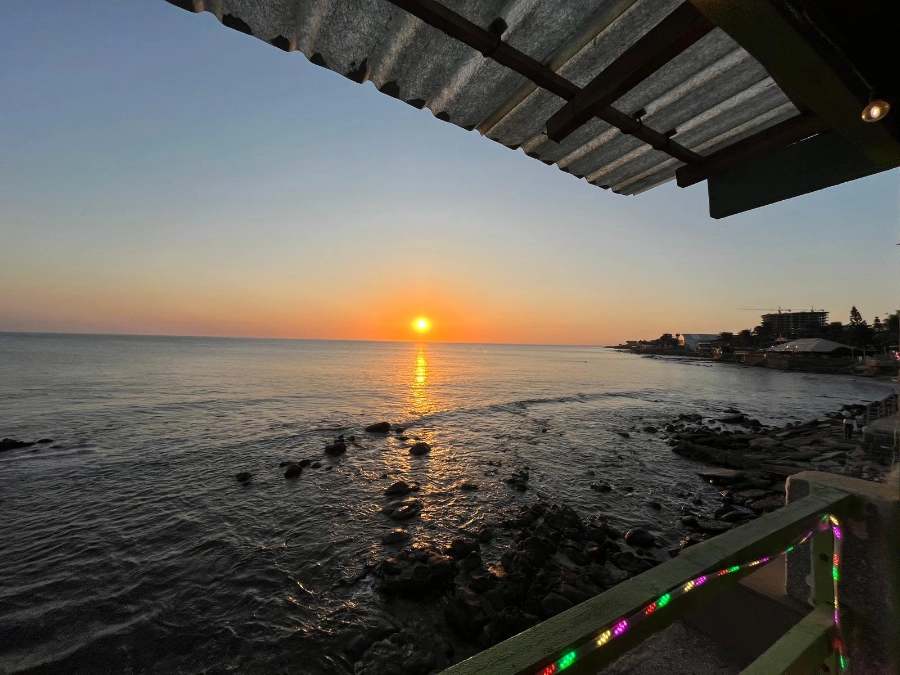
We chased the sunset in Almadies, visited Copacabana, a laid-back surf lodge with an easy, global feel, discovered music at Zanzibar nightclub and La Cave Wine Bar, and yes, we ate. Alot.
The Food
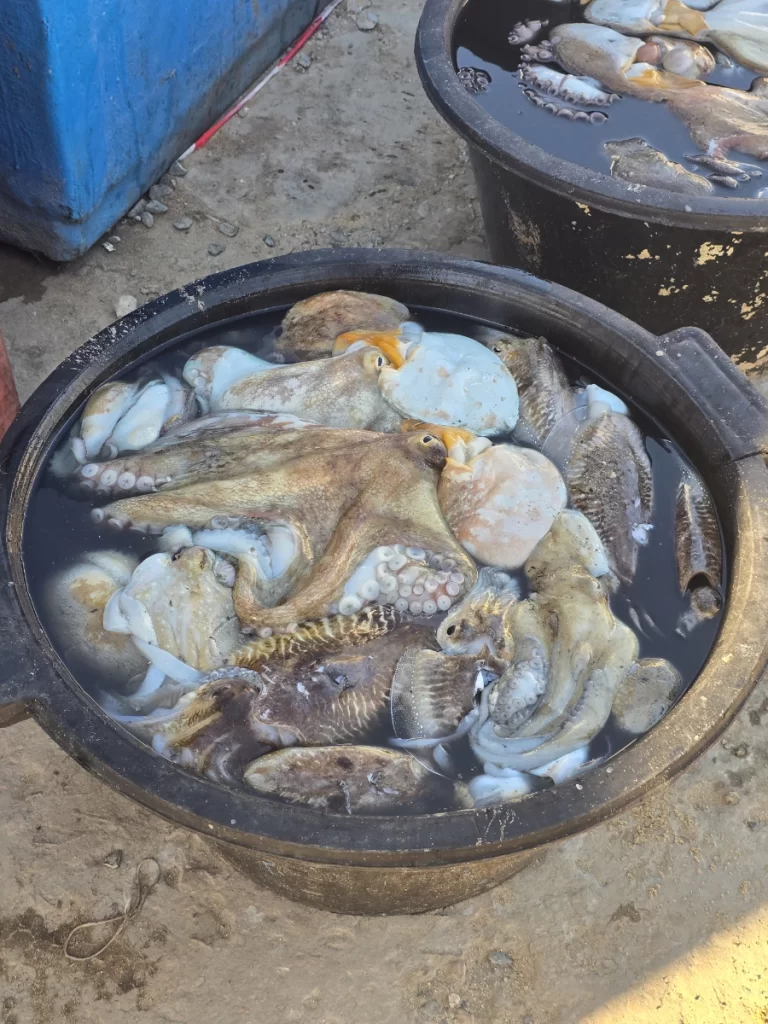
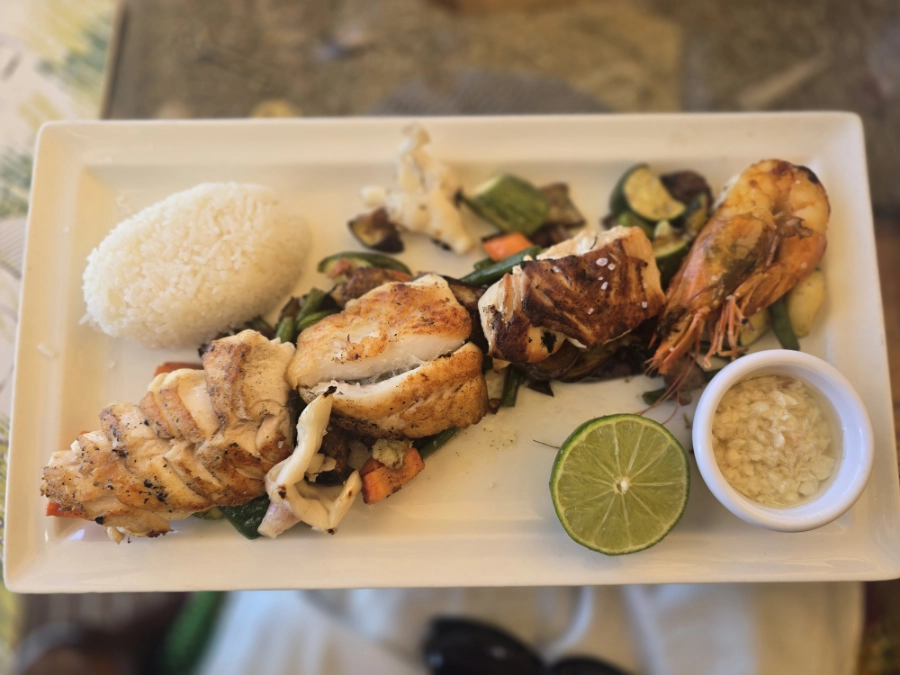
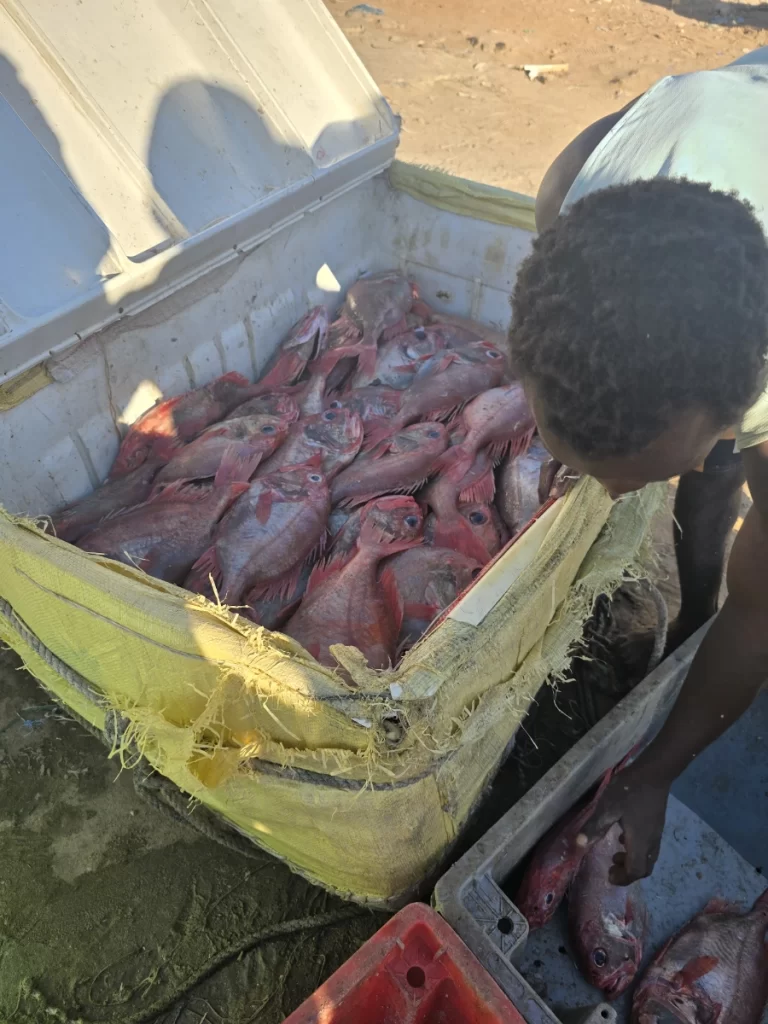
Senegal does not play when it comes to food, and seafood is the main attraction. Fresh fish every day, delicious Jollof rice (which, for the record, originated in Senegal, no disrespect to Nigeria or Ghana but facts are facts), and Thieboudienne, the national dish, so good we stopped keeping count after the fourth time we ordered it. Pullman’s restaurant held its own, and places like Gallard in Medina and Hotel Boma reminded us how much the culinary world sleeps on Dakar.
The People & Culture
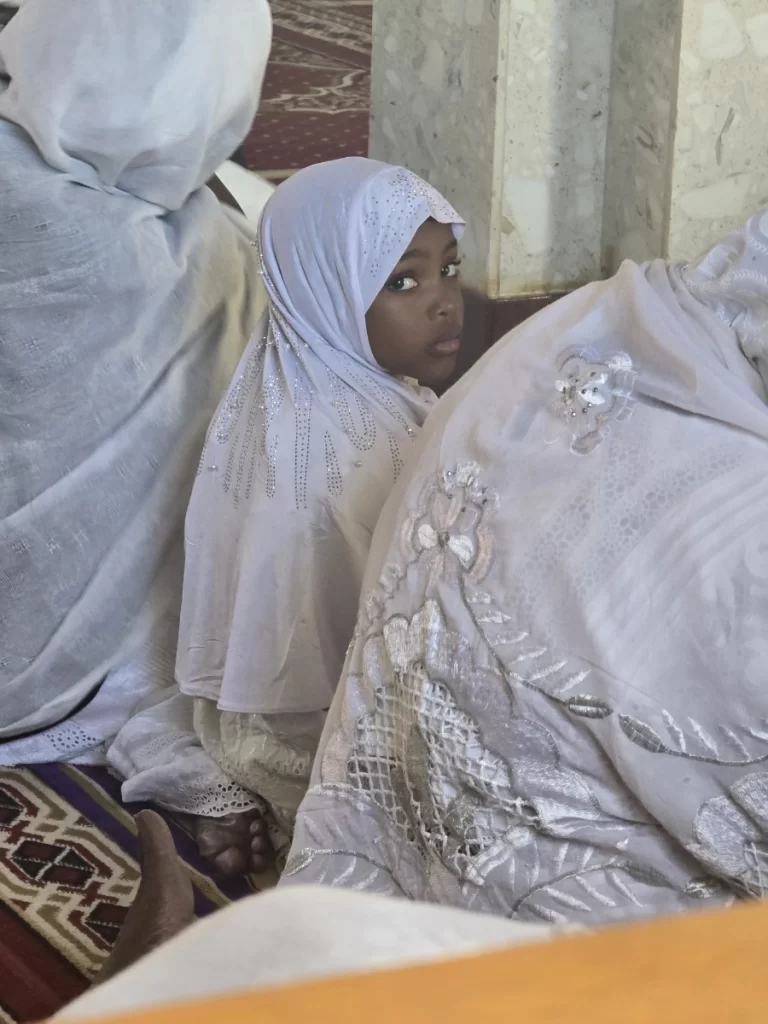
Most people we met spoke French, which gave me a chance to actually use mine. French is the language of everyday life in Dakar, and slipping into it made navigating the city much easier. The majority of the taxi drivers spoke only French yet the kindness was consistent and the sense of being “home” never faded. Senegal is majority Muslim and a relatively conservative country so women dress modestly with shoulders covered and longer hemlines.
Why You Should Go Now
Traveling to Dakar right now means experiencing a city that’s stepping onto the global stage without losing the texture that makes it special. There’s a creative boom happening in fashion, art, music, and food and that’s not curated for outsiders. It’s authentic and rooted in Senegalese culture. For travelers who want more than a beach and a cocktail, Dakar delivers substance and style.
You can reach Darlene Gillard at any of these social channels