
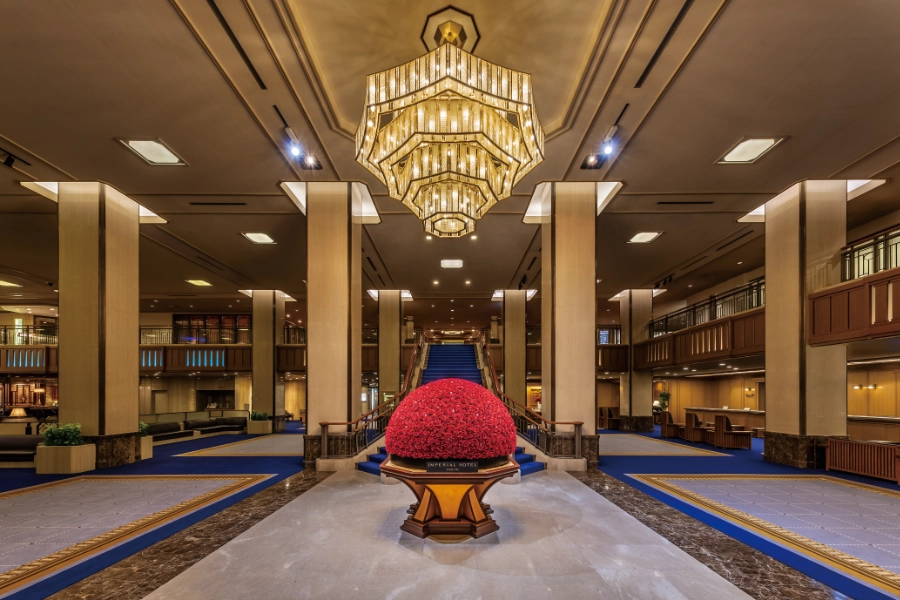
A Living Legend In The Heart Of Tokyo
Step into the Imperial Hotel Tokyo and you step into more than a luxury stay. You are entering a living archive of Japanese hospitality and global culinary history. Travelers looking for experiences with meaning and memory will find that here, the past is not re created. It is still being served.
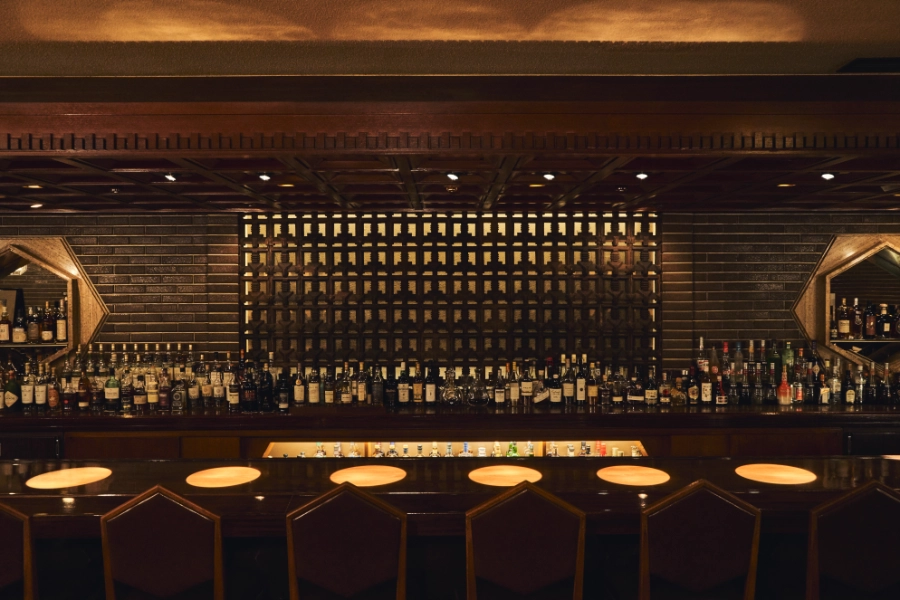
Food lovers may already know the Imperial name from other legendary spaces in the hotel. The Old Imperial Bar with its Frank Lloyd Wright details and classic cocktails. The elegant French dining rooms that have helped define Western fine dining in Japan for generations. Each space has its own story and together they form a remarkable culinary world that TravelSquire has explored in depth in earlier features on the Imperial Hotel’s heritage bars and restaurants.
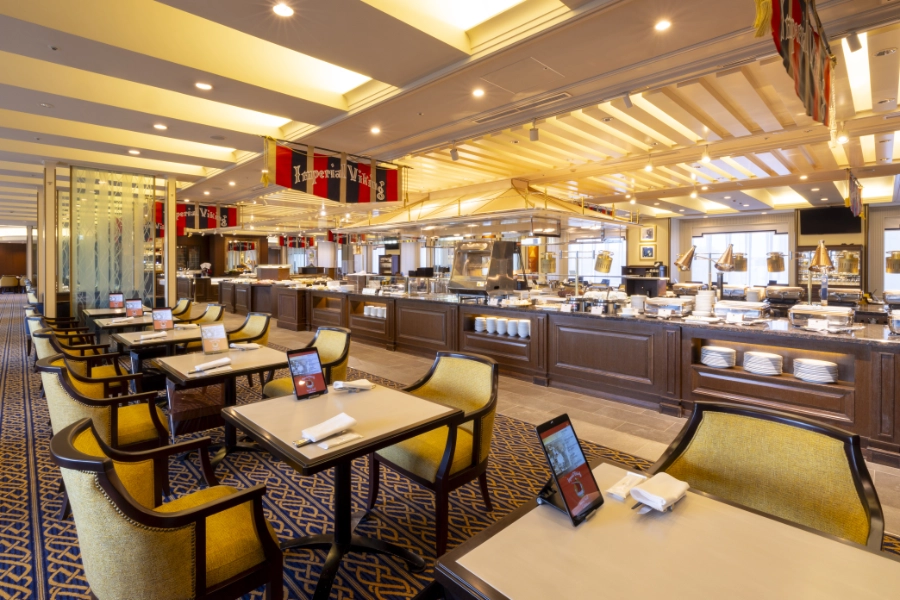
A Buffet With A Backstory
This latest chapter takes place one floor up, at a buffet that is anything but ordinary. On the seventeenth floor, Imperial Viking Sal offers what may be the most charming kind of time travel. First opened in 1958 as Japan’s very first Viking buffet, it was inspired by a Scandinavian smorgasbord discovered by a former Imperial Hotel president. He brought home the idea of a generous, international spread and the team translated it into something new for Japanese guests. Variety, choice and the freedom to design your own meal were revolutionary concepts at the time.
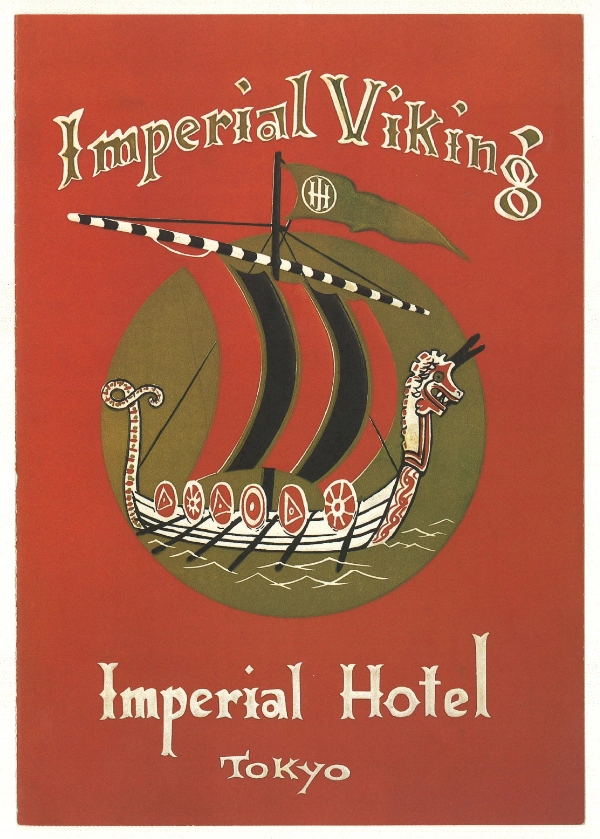
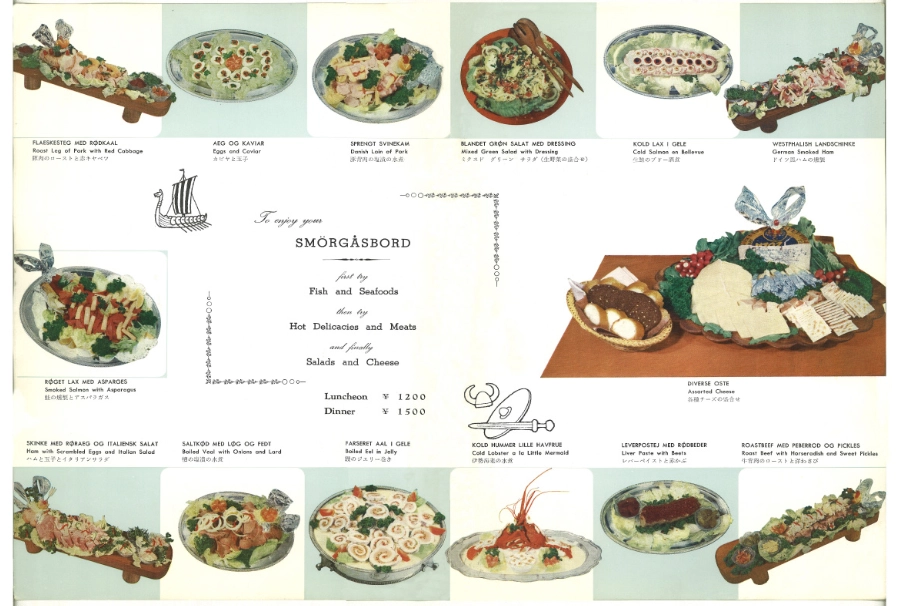
The restaurant became so influential that Viking entered everyday Japanese language as a synonym for all you can eat buffet. Today, nearly seven decades later and freshly renewed in 2023, Imperial Viking Sal still feels ahead of the curve. While many restaurants around the world are racing to add backstory and theater to their menus, this is a place where real history is quietly built into the food.
Eating Your Way Through The Eras
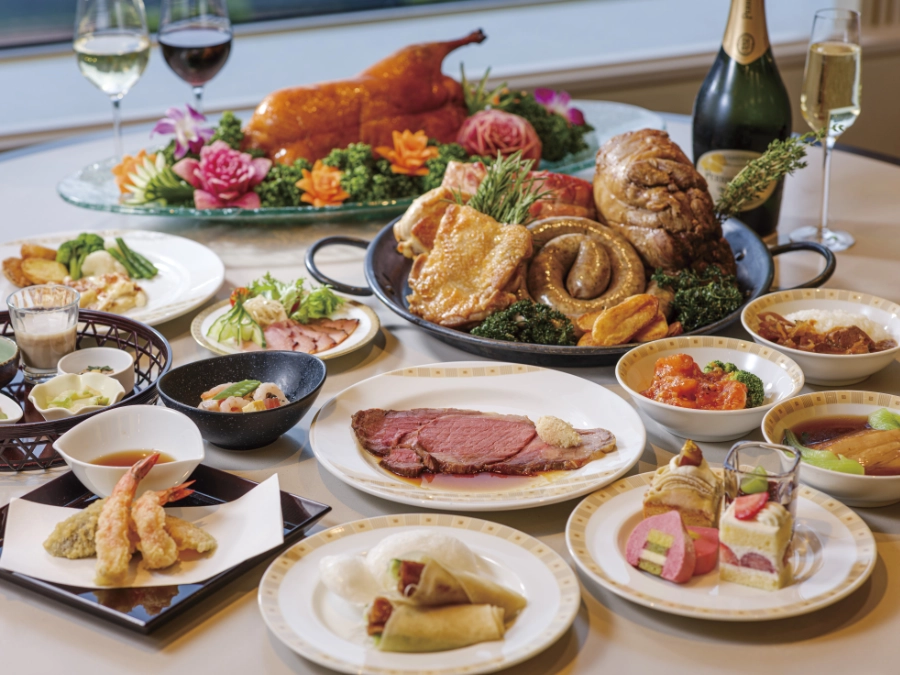
The buffet now features more than fifty dishes with French, Japanese and Chinese influences. Instead of moving through a traditional set menu, you create your own route through time. You might begin with an ultra clear double consommé, refined over generations and long considered a test of classic French technique. Then you drift into mid twentieth century Japan with dishes that show how Western cooking was adapted to local tastes. A few plates later, you are firmly in the present with lighter modern interpretations.
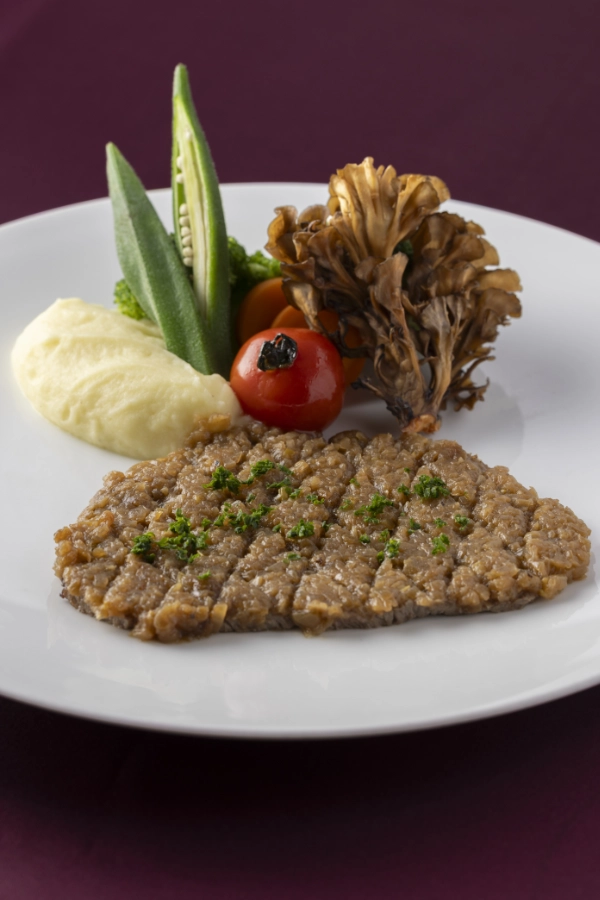
Some dishes feel like characters in a novel you can suddenly meet in person. The Chaliapin Steak dates to 1934 and was created for Russian opera star Feodor Chaliapin, who needed a tender steak that would be easy on his teeth. The chefs used grated onion to gently break down the meat and then finished it with sweet sautéed onions rather than a heavy sauce. What began as a highly personal request is now a beloved signature and an early example of bespoke dining.
Royal Guests And Quiet Diplomacy
Another highlight, Gratin of Prawn and Sole Queen Elizabeth II, was first served during the monarch’s state visit in 1975. The dish is delicate and precise, designed to feel luxurious but never overwhelming. Its cream base is carefully balanced so that the seafood remains the star. With the Queen’s approval, it took her name and became part of the hotel’s ongoing story of diplomatic occasions.
This sense of continuity runs through the menu. These are not museum pieces recreated for effect. They are living recipes, refined but recognizable, that have been cooked for real guests for generations. That authenticity is what sets the Imperial apart from many trend driven dining rooms trying to manufacture nostalgia.

Cocktails With A View Of Mount Fuji
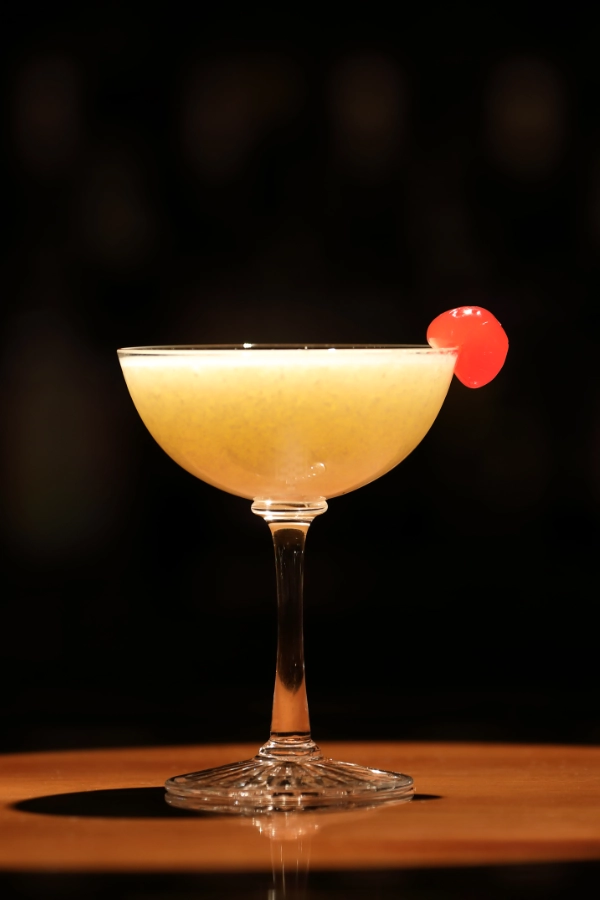
Cocktail lovers will want to make a pre or post dinner stop at the Old Imperial Bar, also profiled in earlier Travel Squire coverage of the hotel’s historic interiors and design. Ask for the Mount Fuji cocktail, first poured in 1924 for Western cruise passengers arriving in Tokyo. White and foamy with a bright red cherry sun rising above, it evokes Japan’s most famous peak in a single glass. The original recipe, a blend of gin, fruit juice, egg white and cream, has been passed down unchanged for a century.
Planning Your Imperial Tokyo Stay
What makes dining at the Imperial Hotel Tokyo special is not nostalgia for its own sake. These dishes are still evolving, still cooked for real guests every day. Together, they trace how tastes have shifted, how Japan has met the world at the table and how hospitality can turn a meal into a memory that spans generations.
For travelers planning an itinerary that includes classic Tokyo spots like the Imperial Palace and Ginza, the hotel is ideally placed and already a favorite in our ongoing series on Imperial properties across Japan, from lakeside retreats to urban grande dames. Add Imperial Viking Sal to your list, not just as a place to eat, but as a way to experience Japanese history one plate at a time, then dive deeper into the story through Travel Squire’s additional features on the Imperial Hotel’s architecture, bars and fine dining rooms.
Imperial Hotel Tokyo
1 1 1 Uchisaiwaicho
Chiyoda ku
Tokyo 100 8558
Japan
Tel: 81 3 3504 1111
Website: https://www.imperialhotel.co.jp/en/tokyo
Check in: 3 00 pm
Check out: 12 00 pm
Nearest stations Hibiya Station and Yurakucho Station both a short walk
Dining highlights Imperial Viking Sal buffet Old Imperial Bar signature Mount Fuji cocktail multiple fine dining and casual restaurants on site
Reservations highly recommended for Imperial Viking Sal and the Old Imperial Bar especially on weekends and holidays