
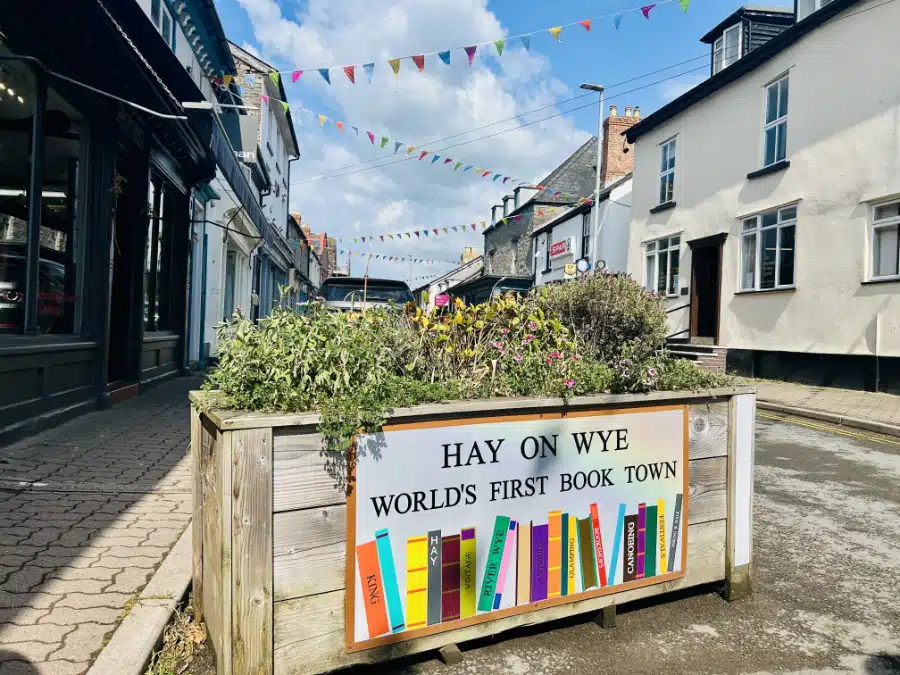

Almost immediately after driving from England across the border of Wales, the landscape seemed different – land plots were larger, hillscapes more sloped and inhabitants fewer. “We don’t suffer from over tourism. Here, you can always be alone,” a local shared of his birthplace, of which one third is designated park land. In Wales, the country’s traditional heritage and culture were embraced – its native Celtic vernacular appeared together with English (both official languages) practically everywhere, on signage and menus, and was often spoken. On the road, lengthy town names might require two lines of text on the sign. And overall, its vibe was one of the beloved past (Downton Abbey, anyone?).
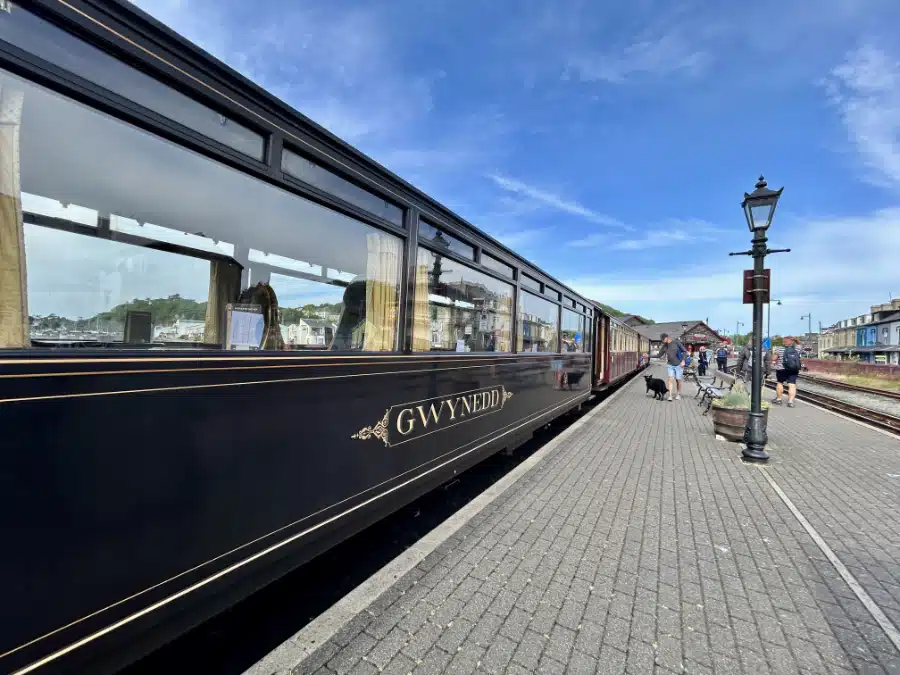
Cue a fantasy of mine. I’ve always dreamed of time traveling to the early 20th century, and playing a character in a historical drama, living an aristocratic lifestyle enjoyed by few beyond members of Britain’s social hierarchy?
Join me in Wales where I did just that, sampling the lodgings of the landed gentry.
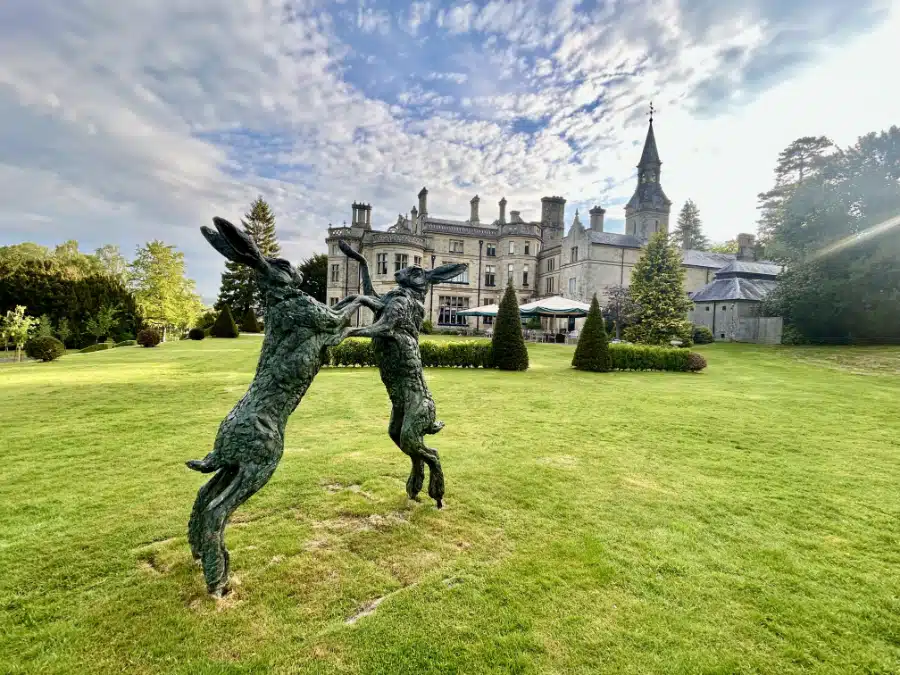
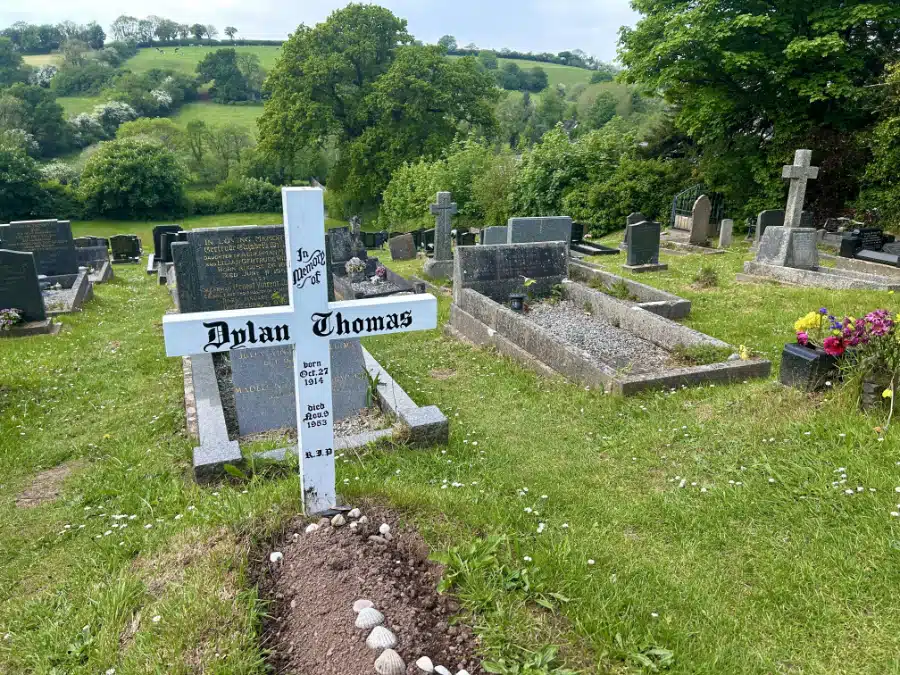
In homage to native son Dylan Thomas and his renowned radio drama, Under Milk Wood, I will “begin at the beginning.” After driving past emerald fields of grazing sheep, in and out of a plethora of small villages, and through several tunnels of trees, a long gravel drive led to Palé Hall. My fellow travelers and I were greeted at the entrance by a team of stewards in red-and-green-tartan-vests and quickly whisked into the Victorian-style country home. So significant was the history of this AA Five Star, Relais & Chateaux-affiliated lodging, dating to 1871, that it was the one-time host of both Queen Victoria and Winston Churchill (those rooms, available for stays, are appropriately named the Queen’s Suite and the Churchill Suite).
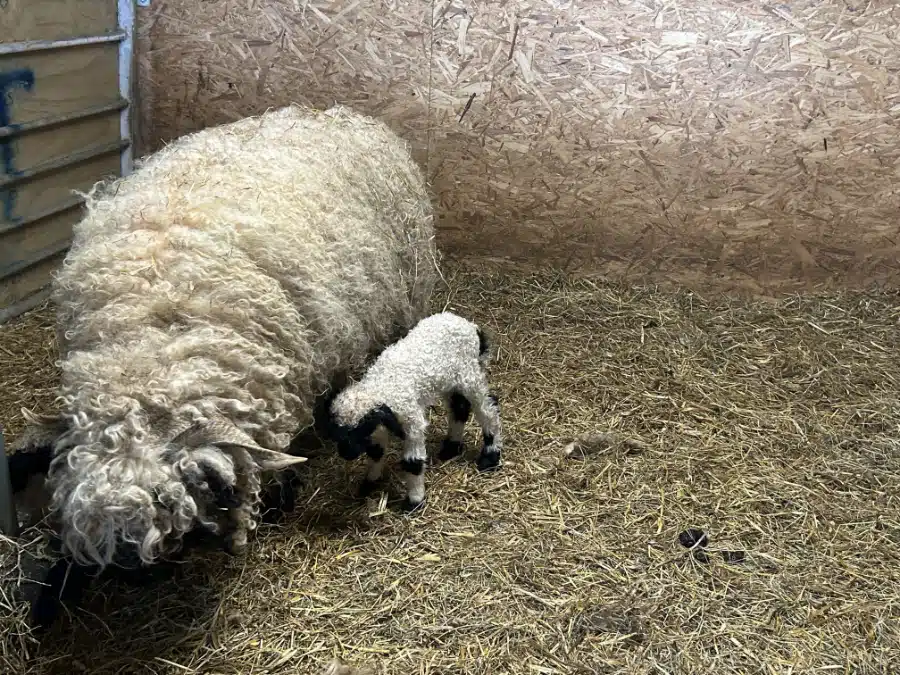
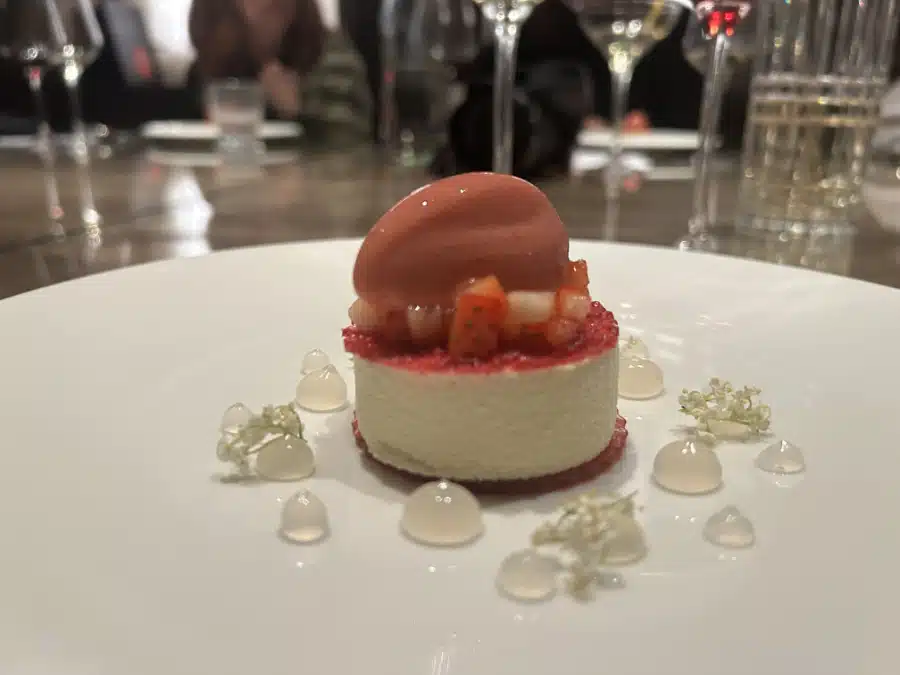
Highlights ranged from a “press for champagne” button in the plush ladies restroom next to a comfy settee and a curated meal by Chef Edward Marsh in the Chef’s Table Room of the MICHELIN starred restaurant to steward Paul Whittle’s helpful info on “everything” – from locating my suite, the Carmarthen Room, to his suggestion to visit the estate’s newborn Valais Blacknose lambs. Of the lodgings, Gareth Jones, concierge and duty manager stated: “When our guests arrive, they’re not walking into a hotel, they’re walking into a home.”
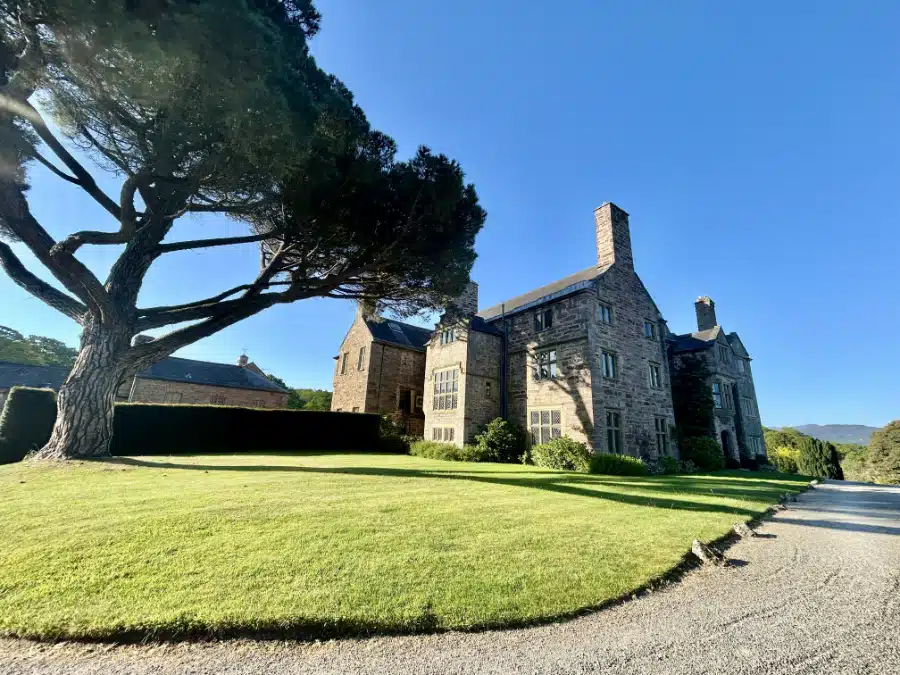
An early morning walk in the 200-acre wooded parkland and manicured gardens of Bodysgallen Hall revealed a setting so serene I could hear the approach of an occasional vehicle long before it was visible. The part-medieval, part-Jacobean influenced manor – historically the on-and-off-again residence of the Mostyn family – showcased a storied history. An oak-paneled drawing room with an inlaid-tile fireplace was topped by a 17th century coat of arms. Portraits adorned the various walls (including one of Prince Charles) alongside intricate stone mullioned windows. Cocktails in the library were crafted with the personal attention of bartender Simon and his recommendation of a classic Pimm’s No.1. But it was the view from the window of Room 2 in the main house overlooking the lawn’s massive pine tree that lulled me into a lavish mindset.
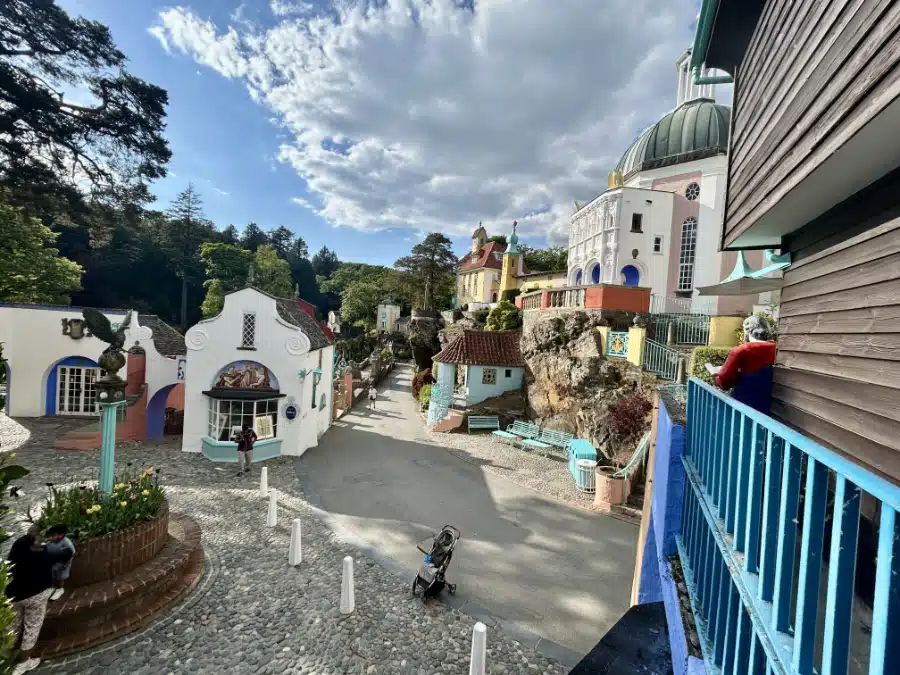
Designed entirely by a single architect, Sir Clough Williams-Ellis, the coastal town of Portmeirion, described as “the oddest village ever conceived” hit a high note. With an Italianate ambience, the whimsical destination’s imaginative colors and inventive details transported me to a fairytale.
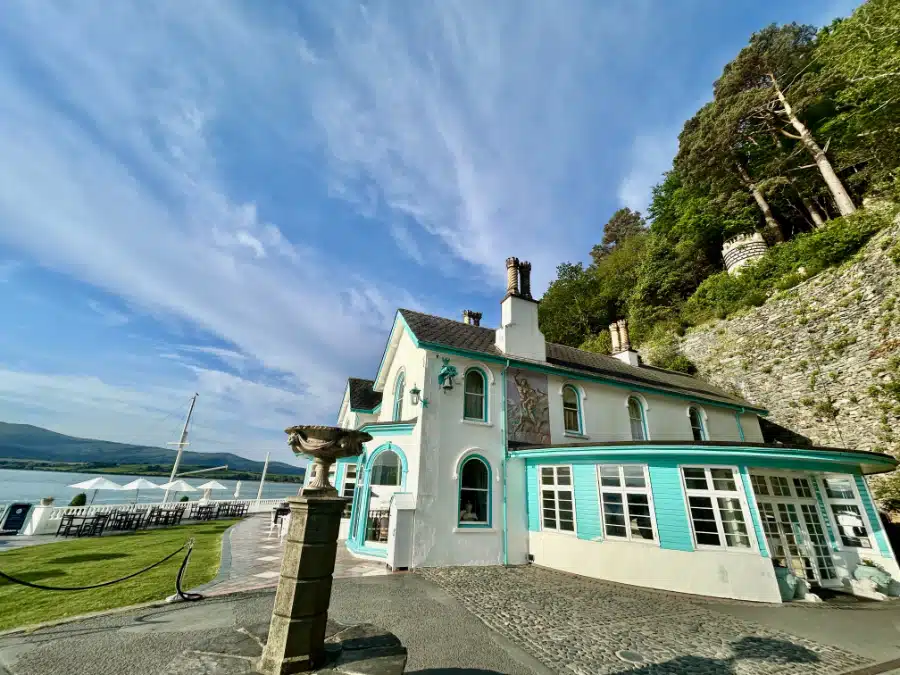
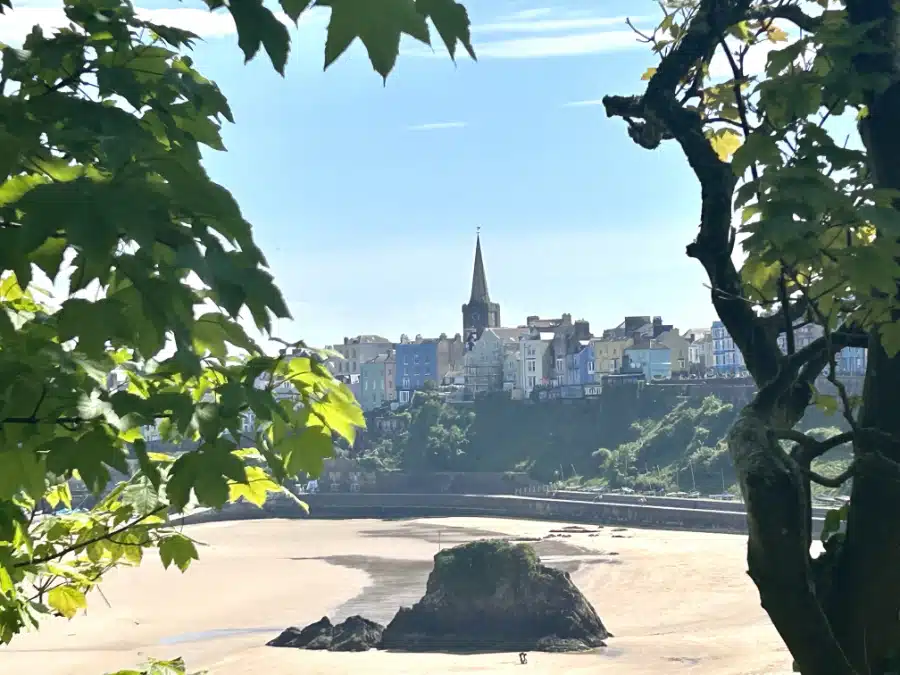
Offering not just one but two fine-dining restaurants, assorted cafes and various shops, the accommodations at Portmeirion Hotel, located on the water’s edge overlooking the village, included the Castle Deudraeth Hotel and assorted cottages leading from the castle bluff down a steep landscape to the shore. My home for the night was Upper Pilot. Uniquely special and different, and beyond comfortable, my suite served up a bird’s-eye view of the grounds, Dwyryd Estuary and a secluded sandy cove. Best part: The village closed to the public at night, leaving Portmeirion exclusive to overnight guests – an understandable magnet over the years for the likes of celebrities like George Bernard Shaw, Edward the Prince of Wales, Liam Neeson and even George Harrison (the site of his 50th birthday celebration).
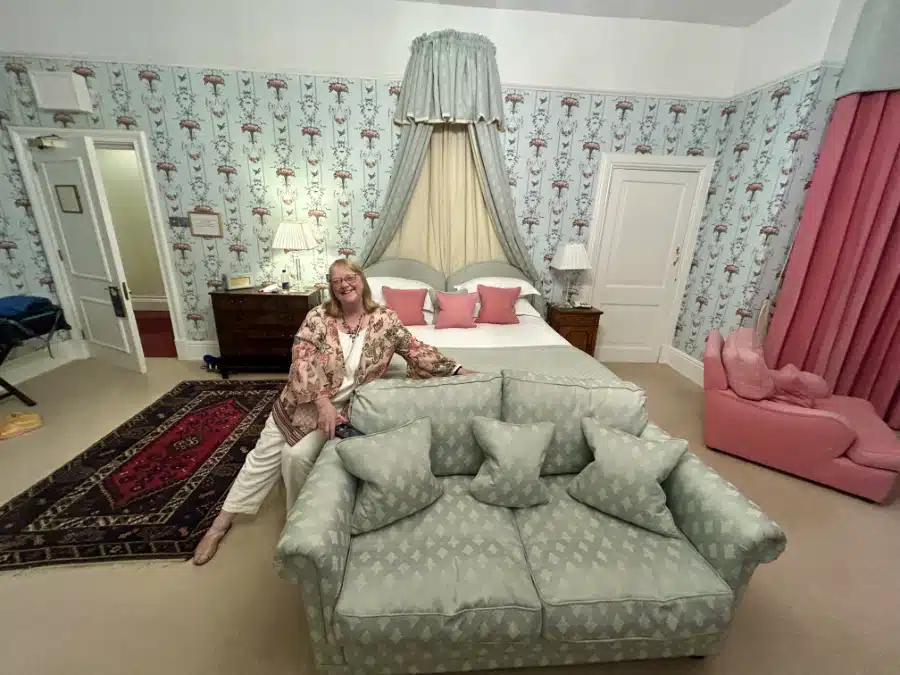
Inspired by famed British fashion designer, Laura Ashley, known for her traditional Victorian style prints in both fashion and home decor, was Llangoed Hall. Dating back to 560 A.D., it was once lost in a card game, redesigned in 1912 by Sir Clough Williams-Ellis as a country house (preceding Portmeirion) then purchased in 1987 by Sir Bernard Ashley, husband of Laura, and restored to its original glory.
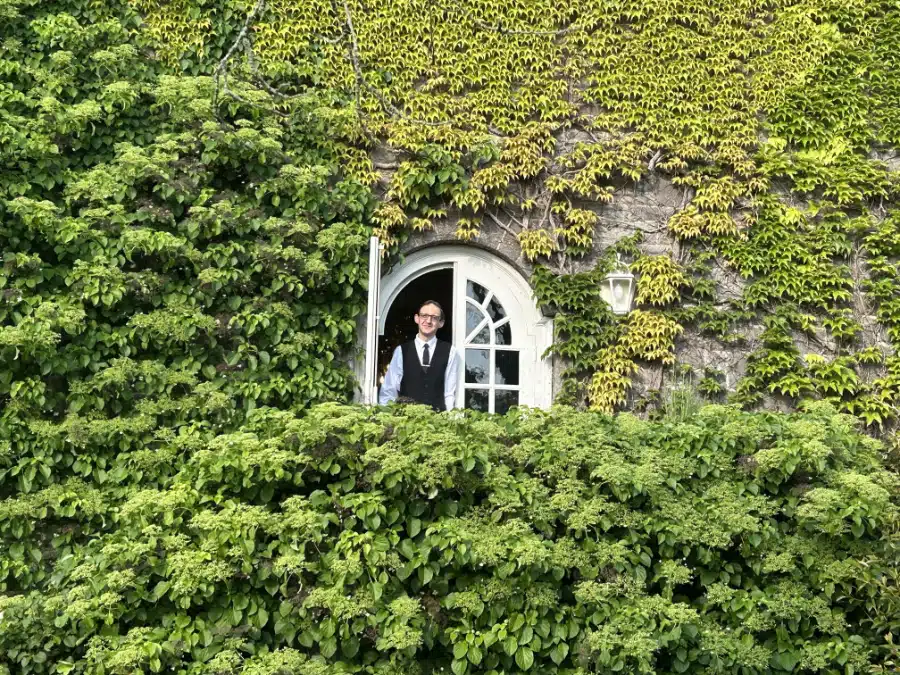
Though no longer the manor home’s proprietor, Llangoed Hall remains a testament to the Ashleys’ aesthetics. With a prized art collection that includes and original Whistler, prior guests have been King Charles, and the Queen Mum’s former Rolls-Royce sometimes transports guests. Steeped in countryside seclusion and blue-blooded sensibilities, it was comprised of 23 guest rooms and 17 acres of gardens. A stay in this highborn hideaway provided a step back into a fashionable time.
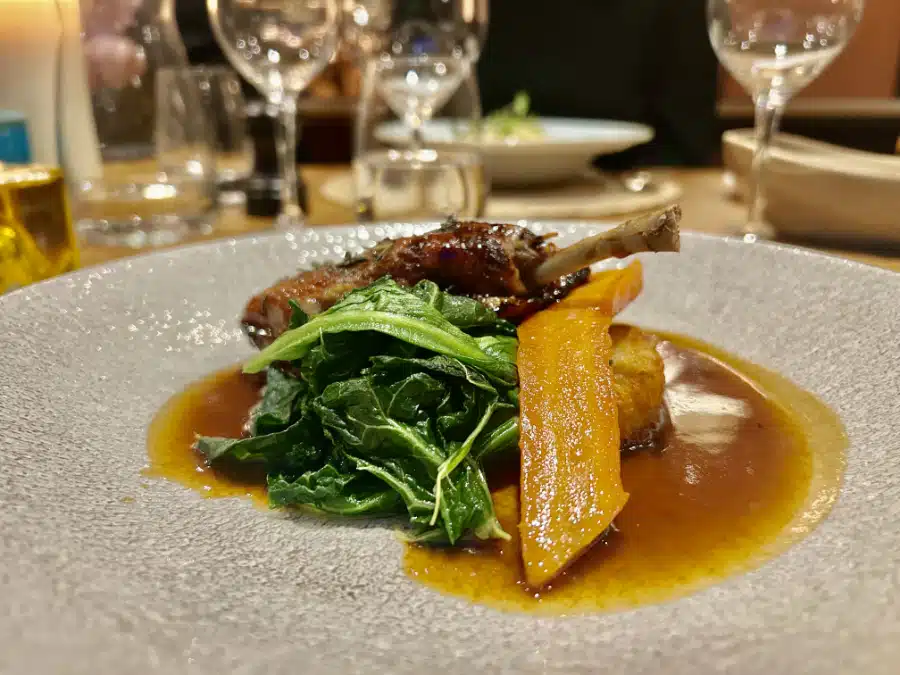
Located in the heart of Pembrokeshire’s rolling countryside was The Grove Hotel, a 15th century country mansion with a collection of cottages. The estate’s accolades were apparent – recipient of the AA Five Red Star and a Small Luxury Hotel of the World designate, along with recognition of Chef Douglas Balish’s Fernery restaurant with Four AA Rosette and MICHELIN Green Star awards.
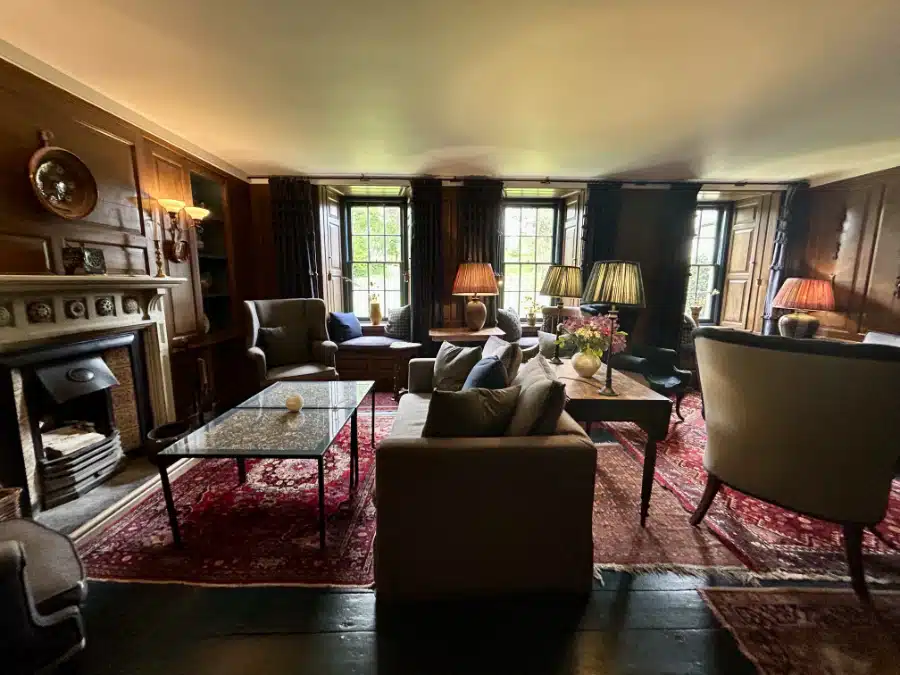
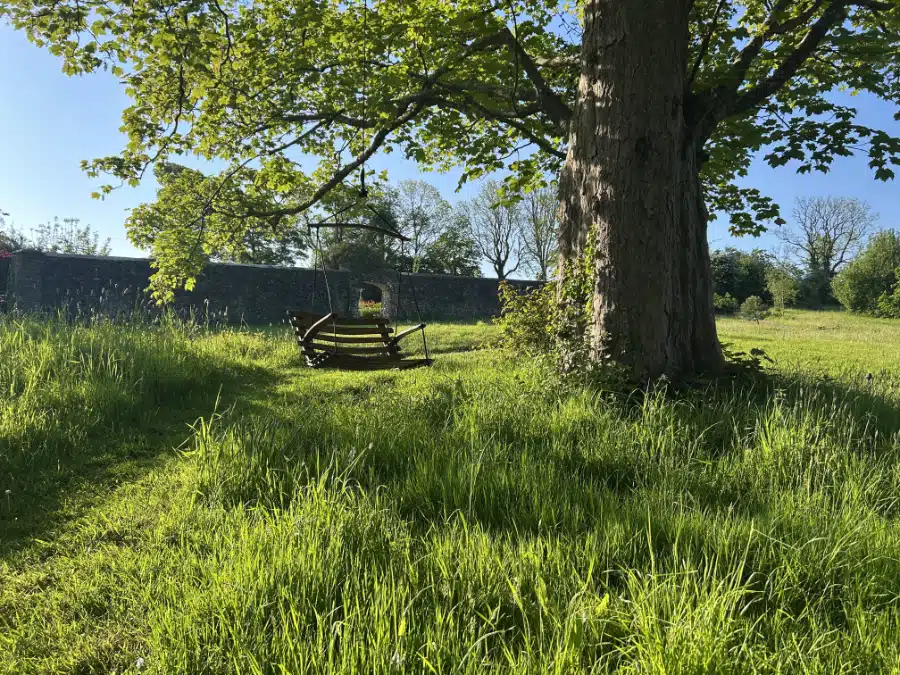
Renowned for its regal blend of modern luxe and country charm, décor included new and antique furniture accented by local artistry – from artwork and pottery to love spoons and vintage lace. Detached from the main house, my accommodations, the Verbena Cottage Loft Suite, served up a slice of sigh-inducing seclusion. There, I basked in a custom-bath-salt soak in a clawed tub next to an open tilted window during a gentle evening rainfall and awoke beneath a crisp, white, duvet the following morning to bird calls. A tour of the 26-acre grounds revealed ancient oaks, fields of wildflowers and a suspended wooden-tree swing.
At my fantasy’s end, I found comfort in the promise of a return, found in the Welsh saying, eang yw’r byd i bawb.
Translation: “The world is wide to everyone.”