
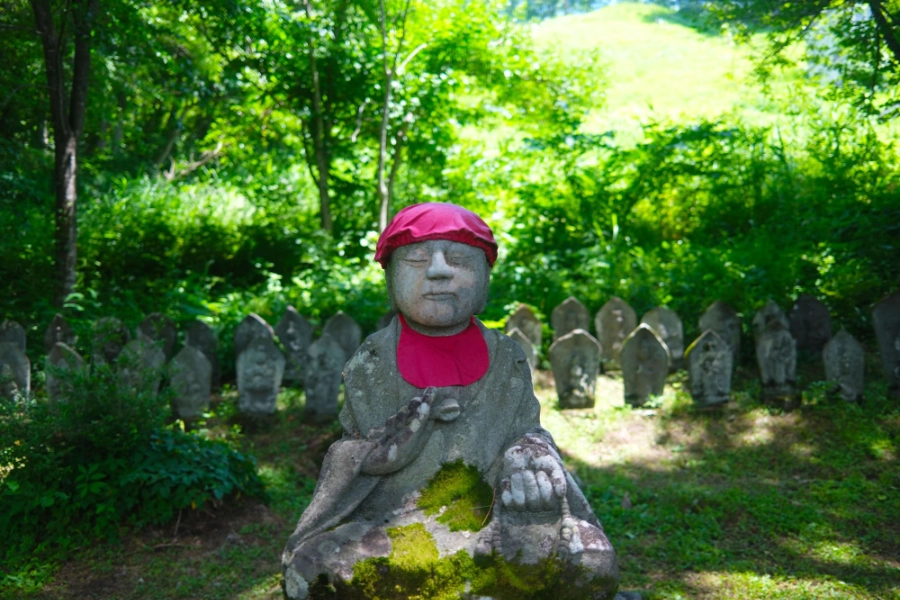
In Japan’s rugged heartland, long before bullet trains and expressways, there was the Salt Road—a vital trade artery linking the Sea of Japan to the landlocked castle town of Matsumoto. Along this mountain route, bokka porters once hauled heavy loads of salt and goods on their backs, threading through deep forests and over high passes with the snow-tipped Japan Alps as their constant companion.
Today, the Salt Road is coming back to life in a very different way.
Walk Japan, the pioneer of walking tours across the country, has introduced the Self-Guided Salt Road Wayfarer, a six-day journey that lets travelers follow this historic trail at their own pace through one of Japan’s most scenic and least-touristed regions.
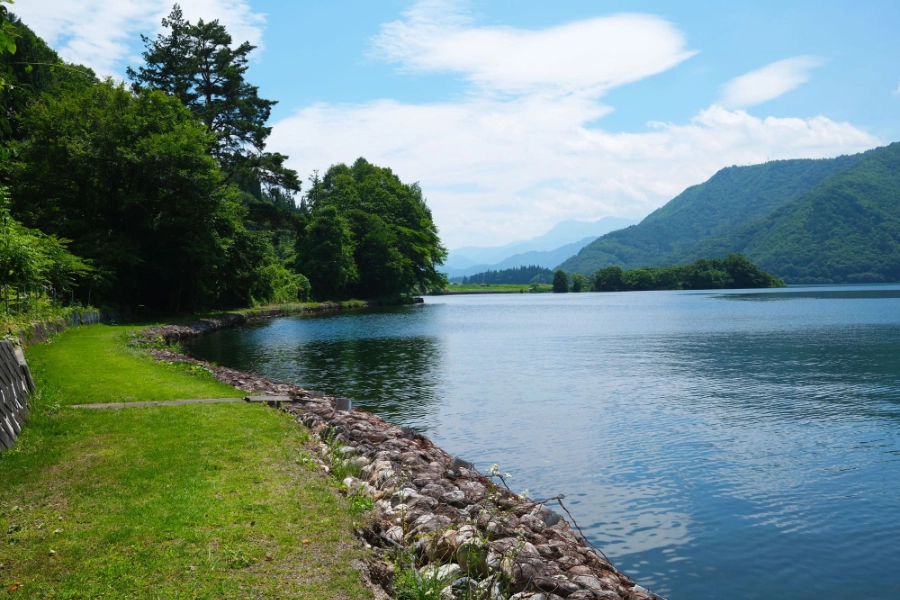
A Walk Through Time in the Japan Alps
The route traces the central and northern stretches of the old Salt Road, winding through quiet hillside hamlets, beech forests, farmland, and mountain passes. It begins in Omachi, a low-key rural town in Nagano Prefecture, where alpine peaks rise dramatically above rice paddies. From here, walkers head north, moving day by day toward Itoigawa on the Sea of Japan coast in Niigata Prefecture.
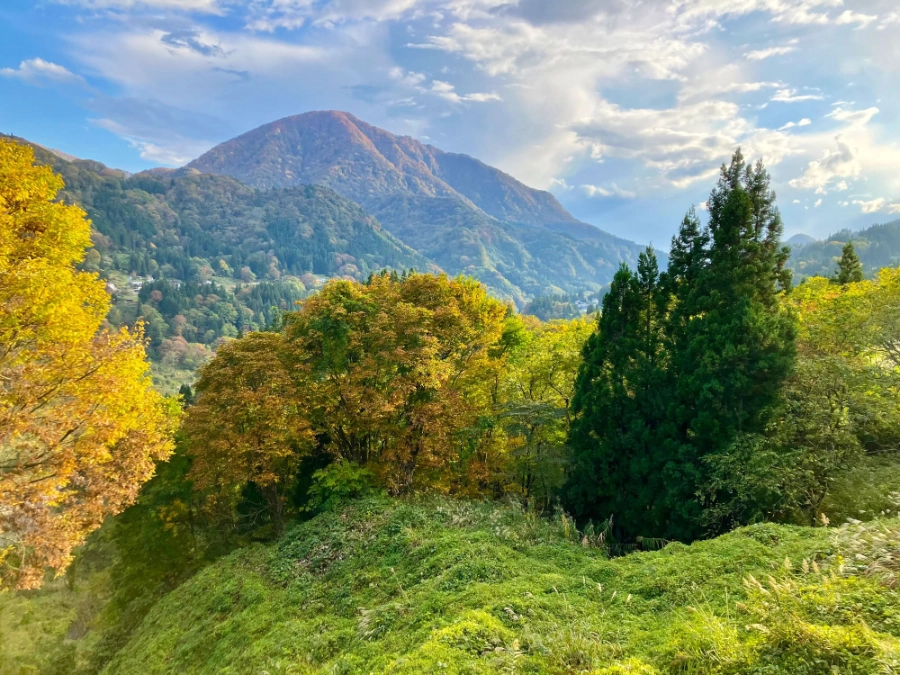
This is not the Japan of neon streets and crowded shrines. Villages are sleepy, trails little-trodden, and the scenery feels almost unchanged from the days when bokka porters trudged these same paths. Expect views of the snow-capped Alps, crystal-clear streams, and forests that blaze with color in autumn.
For Walkers Who Like It Real and Rural
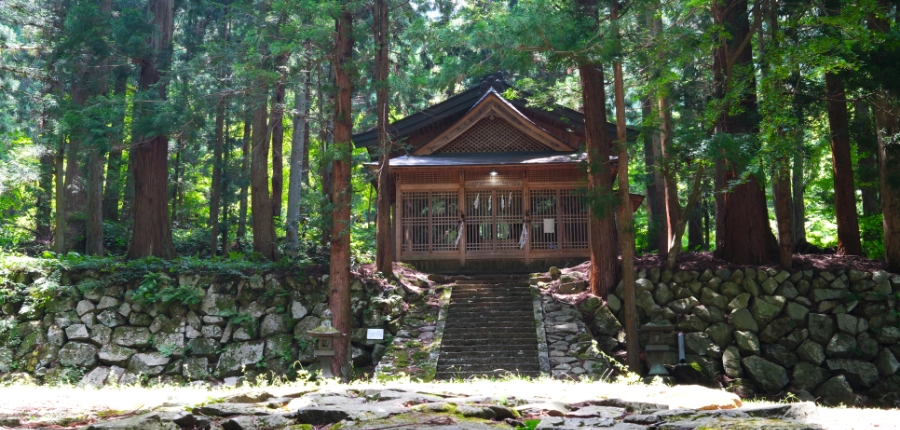
This is a trip designed for experienced walkers who want more than a casual stroll. Daily distances range from 10.5 to 13.5 miles, although there are options to shorten or extend each walk. The reward for your effort is immersion in a side of Japan that most visitors never glimpse: farmers tending fields, small shrines tucked into the forest, and tiny communities that still depend on the mountains and the sea.
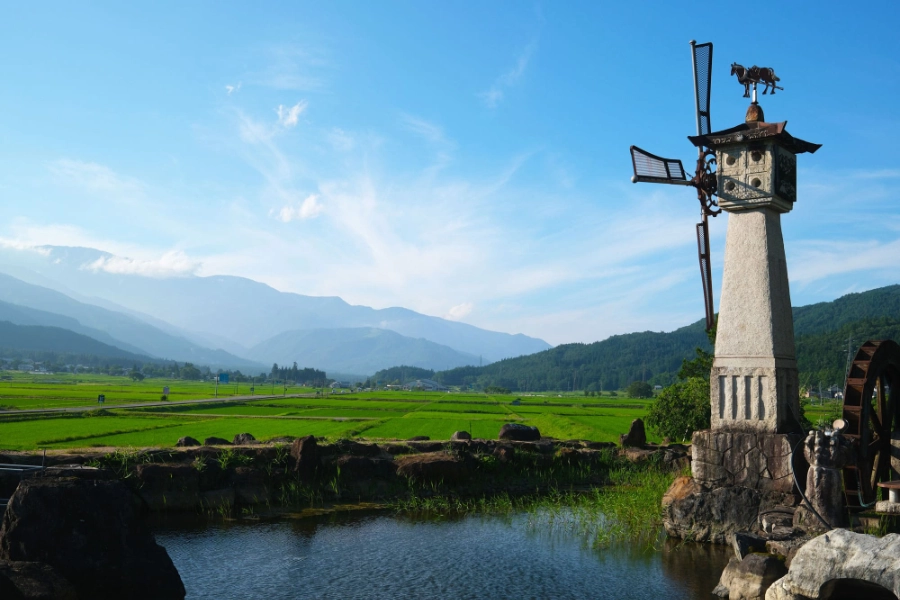
Because the tour is self-guided, you set your own rhythm. Walk Japan provides a comprehensive route booklet and detailed tour notes, so you can navigate with confidence, plus 24-hour English-language support if you need help en route. Your main baggage is transported by courier between each night’s accommodation, leaving you free to walk with just a daypack.
Food, Culture, and a Geological Wonder
In true Walk Japan fashion, the Salt Road Wayfarer isn’t only about the walking. Meals become a lens into local culture, with hearty mountain dishes made from seasonal, regional ingredients and fresh seafood once you reach the Sea of Japan coast. Each stop offers a different slice of rural life, small inns, local eateries, and encounters with people whose families have lived here for generations.

One highlight is a visit to Fossa Magna Park, a UNESCO-recognized site marking a vast geological rift that essentially divides Japan into east and west. It’s a striking reminder that this serene landscape sits atop dramatic natural forces.
For travelers who’ve already done Tokyo and Kyoto, or who want a Japan of quiet trails, local inns, and deep history underfoot, Walk Japan’s newest itinerary offers exactly that: a chance to walk in the footsteps of centuries-old porters and discover an alpine route where the past is never far from view.
Salt Road Wayfarer: At a Glance
When to Go
The Salt Road Wayfarer operates from May to June and from September to November.
Trip Details & Cost
The journey lasts 6 days and 5 nights and is a self-guided walking tour. Daily walking distances range from 10.5 to 13.5 miles, with options to shorten or extend the route. The walk begins in Omachi and concludes in Itoigawa. Main luggage is transferred by courier between accommodations, and travelers receive a comprehensive route booklet and notes, along with 24-hour English-language assistance. The tour is priced from $1,510 based on double occupancy.